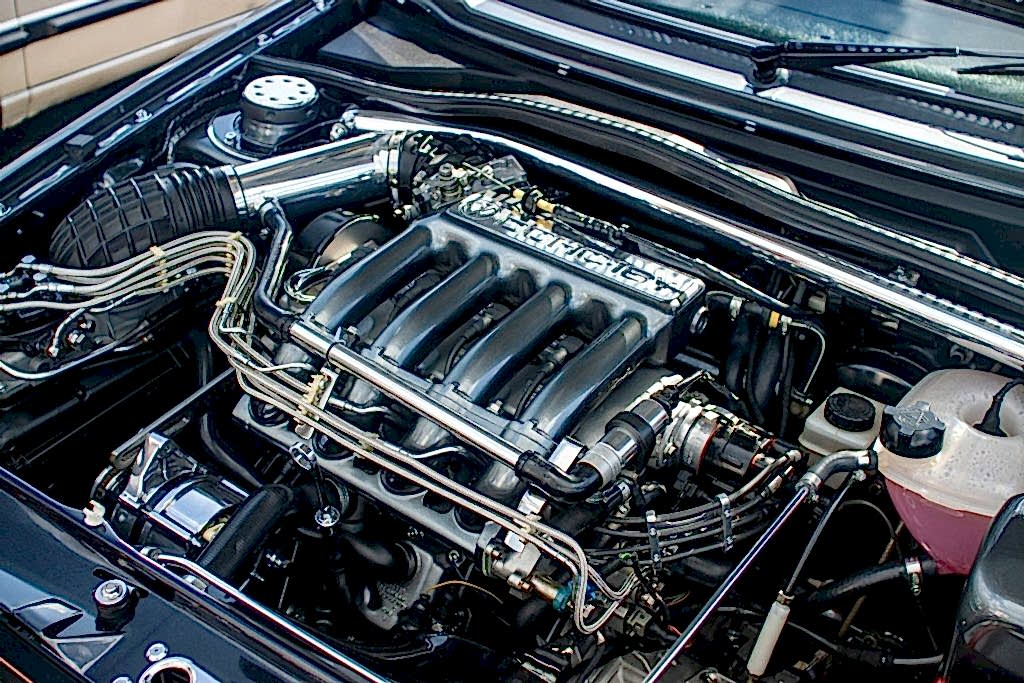
Few automotive noises are as jarring as a sudden, gunshot-like explosion ripping from under your hood or out of your tailpipe. This classic symptom, known colloquially as an engine backfire, occurs whenever the precise internal balance of an internal combustion engine fails. Instead of the air and fuel mixture burning smoothly inside the sealed cylinder, an erratic ignition occurs somewhere outside the combustion chamber, either forcing its way backward through the intake manifold or exploding down into the red-hot exhaust system.
While it might look dramatic on a racetrack, a persistent pop or bang on a passenger vehicle is a clear warning sign of mechanical or electronic distress. If left ignored, it can destroy your catalytic converter, shatter intake plastics, or cause expensive internal engine damage.
Understanding the fundamental engine backfire causes is the first step toward restoring your vehicle’s performance.
The Primary Engine Backfire Causes
1. An Overly Rich Air-Fuel Mixture
An engine requires a highly specific stoichiometric ratio to complete a clean burn. When the engine runs “rich,” it means there is too much gasoline and not enough oxygen entering the combustion chamber. Because there isn’t enough air to burn all the fuel during the power stroke, the excess unburnt gasoline gets swept out of the cylinder when the exhaust valve opens. Once that raw fuel hits the extreme heat of the exhaust manifold and mixes with fresh oxygen downstream, it instantly detonates, producing a loud bang out of the tailpipe.
Common culprits behind a rich mixture include leaking fuel injectors, a failing fuel pressure regulator, or a dirty Mass Airflow (MAF) sensor, and miscalculating how much air is entering the engine.
2. An Overly Lean Air-Fuel Mixture
Having too little fuel can cause the same explosive result. A lean air-fuel mixture contains too much air and too little gasoline. Lean mixtures burn at a significantly slower rate than properly balanced ones. Because the flame front moves so slowly through the cylinder, the mixture is still burning when the combustion cycle ends, and the exhaust valves pop open. The lingering flame ignites the remaining air-fuel mixture waiting in the manifolds, triggering a sharp engine backfire pop.
A lean condition is usually caused by unmetered air entering through a vacuum leak, a weak fuel pump, or a severely clogged fuel filter restricting gas flow. These issues are among the most common engine backfire causes because they disrupt the proper air-fuel ratio needed for efficient combustion and smooth engine operation.
3. Worn or Fouled Spark Plugs
Your ignition system must deliver a hot, crisp spark at an exact microsecond. If your spark plugs are old, heavily fouled with carbon, or have the wrong gap, they will fail to consistently ignite the fuel mixture in the cylinder. When a spark plug skips a beat (a misfire), the unburnt fuel enters the hot exhaust system. The next successful cylinder cycle sends a wave of superheated gas down the line, violently igniting the pooled fuel in your pipes.
4. Malfunctioning Ignition Timing
Ignition timing refers to the exact moment the spark plug fires relative to the piston’s position. Modern vehicles use an Engine Control Unit (ECU) alongside crankshaft and camshaft position sensors to adjust this automatically. However, if a sensor fails or you drive an older vehicle with a physical distributor cap and crossed plug wires, the spark will fire at the wrong time. If it sparks too early while the intake valve is still opening, the explosion travels backward into your air intake. If it fires too late, the explosion chases the opening exhaust valve straight into the tailpipe. Incorrect ignition timing is one of the most common engine backfire causes, as it disrupts the normal combustion process and allows fuel to ignite outside the combustion chamber.
5. Mechanical Valve Failures
Your engine relies on intake and exhaust valves to form an airtight seal during the combustion process. If an engine has physical defects-such as bent valves, broken valve springs, or a heavy accumulation of carbon deposits keeping the valves from seating completely flat-burning gases can easily escape. An unsealed exhaust valve acts like a leaking doorway, allowing the explosion inside the cylinder to bleed into the exhaust tract prematurely.
When to Seek Professional Intervention
A vehicle that barks and sputters isn’t just an embarrassment on the road; it’s a vehicle actively damaging its own hardware. Determining the exact engine backfire causes requires specialized diagnostic equipment, live sensor data scanning, and a trained mechanical eye.
If you are experiencing rough idling or sudden power loss, the certified technicians at Amayak Auto can help. Our team utilizes advanced computer diagnostics to systematically isolate whether your issue stems from a faulty mass airflow sensor, deteriorating ignition coils, or a hidden vacuum leak.
Frequently Asked Questions
1. What is the difference between an engine backfire and an afterfire?
While both terms are often used interchangeably, a true backfire occurs when the air-fuel mixture ignites and travels backward through the intake manifold and air filter assembly. An afterfire occurs when the unburnt fuel passes through the engine and detonates inside the exhaust system or tailpipe. Understanding this distinction can help drivers diagnose engine backfire causes more accurately.
2. Can a bad exhaust leak cause a car to backfire?
Yes. An exhaust leak introduces oxygen-rich outside air directly into the exhaust pipes. If your engine has even a trace of unburnt fuel traveling down the line, meeting this sudden influx of fresh oxygen inside a scorching-hot exhaust pipe can cause it to ignite spontaneously, creating a popping sound upon deceleration.
3. Is it safe to drive my car if it keeps backfiring?
It is highly recommended that you do not drive a vehicle that is actively backfiring. The uncontrolled explosions can crack your intake manifold, blow apart mufflers, destroy sensitive oxygen sensors, and rapidly melt the internal ceramic honeycomb structure of your expensive catalytic converter.
4. Why does my older, carbureted vehicle backfire more than modern cars?
Modern fuel-injected cars use complex computers and oxygen sensors to adjust the fuel delivery thousands of times per minute. Older carbureted vehicles rely on mechanical adjustments and vacuum lines. If a carburetor is improperly tuned, or if a physical distributor cap cracks and traps moisture, it can easily throw off spark delivery and air-fuel balance.
5. How can I prevent backfiring issues?
The most effective preventative measure is keeping up with routine factory maintenance schedules. Replacing your spark plugs on time, regularly swapping out clogged air and fuel filters, and having a technician address any illumination of your Check Engine light immediately will keep your combustion cycles running perfectly smooth.