Every time you navigate a sharp corner on the streets of New Westminster, a highly sophisticated mechanical component works silently beneath your chassis to keep your drive smooth and stable. This critical component is the differential.
When your vehicle turns a corner, the outside wheels must travel a longer physical distance than the inside wheels. Because the outside wheels have more ground to cover, they must spin faster. The differential is the mechanical gearbox that splits engine torque two ways, allowing the wheels to rotate at different speeds while maintaining continuous power delivery. Operating without proper differential maintenance causes intense friction, mechanical binding, and premature gear failure. This technical guide breaks down how your differential operates, highlights critical maintenance steps, and explains how Amayak Auto can keep your drivetrain operating flawlessly.
1. Understanding Your Vehicle’s Differential Layout
The specific configuration of your drivetrain dictates exactly how many differentials your vehicle utilizes and where they are physically located on the chassis.
- Front-Wheel Drive (FWD): In FWD vehicles, the differential is integrated directly inside the transmission housing. This combined assembly is known as a transaxle, and it shares the same fluid source as the main gear system.
- Rear-Wheel Drive (RWD): RWD vehicles feature a distinct, heavy-duty differential housing located squarely between the rear wheels. It is easily identifiable as a large metal pumpkin-shaped dome connected to the driveshaft.
- Four-Wheel Drive (4WD) and AWD: All-wheel-drive systems require maximum mechanical distribution. These vehicles utilize a front differential, a rear differential, and a central transfer case to dynamically balance power across all four wheels simultaneously.
2. Essential Differential Maintenance Practices
Because differentials are subjected to immense rotational torque and heavy loads, keeping them properly lubricated is your primary defense against internal catastrophic wear.
Adhere strictly to Gear Oil Change Intervals
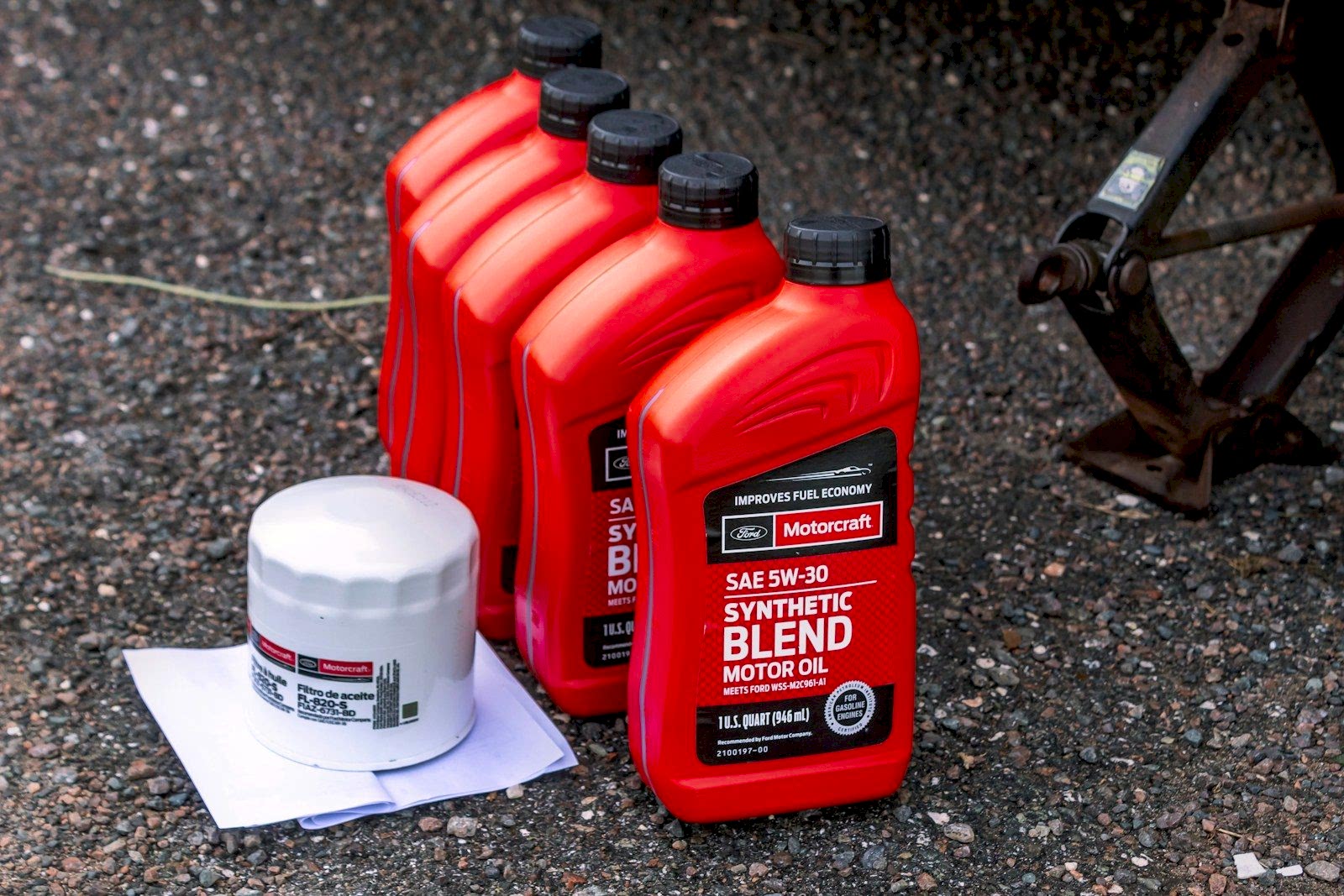
Unlike your engine, which uses thin oil to lubricate fast-moving pistons, a standalone differential utilizes a highly viscous, heavy-duty gear oil (typically 75W-90 or 80W-90). This thick fluid is engineered to cushion the intense pressure generated between the interlocking metal gear teeth. Over thousands of kilometers, extreme heat and pressure break down the oil’s chemical additives, reducing its load-bearing capacity. Standard road vehicles generally require a differential fluid flush every 50,000 to 80,000 kilometers.
Inspect and Replace Worn Housing Seals
A differential housing relies on rubber or silicone seals to keep gear oil trapped inside and environmental contaminants out. The most common leak points are the pinion seal (where the driveshaft enters the housing) and the output shaft seals (where the axles emerge). If road debris or age tears these seals, gear oil will slowly seep out. Operating a differential even slightly low on fluid causes rapid heat buildup, which can weld the internal gears together while driving.
Maintain the Housing Vent Cap
As differentials operate, the internal gear friction generates significant heat, causing the air and oil inside the housing to expand. To prevent this expanding pressure from blowing out the rubber axle seals, engineers install a tiny, one-way vent cap on top of the housing. In wet climates, road grime, mud, and salt can clog this vent. A blocked vent traps pressure inside, forcing gear oil past the seals and creating an active leak.
3. Recognizing the Symptoms of Differential Distress
Catching a mechanical drivetrain issue early allows you to schedule a targeted fluid service or minor seal replacement before the entire gear assembly destroys itself.
Persistent Whining or Howling Noises
The most recognizable sign of a failing differential is a distinct, low-frequency whining, humming, or howling noise that changes pitch in direct correlation with your vehicle’s speed. If the noise intensifies specifically when accelerating or coasting through a turn, your differential gears are likely experiencing metal-on-metal wear due to depleted lubrication.
Severe Vibrations and Chattering
If you feel a noticeable shuddering, chattering, or mechanical binding sensation through the floorboards when turning tight corners at low speeds, the internal spider gears or limited-slip clutch packs are failing to differentiate wheel speeds smoothly.
The Amayak Auto Difference
Conveniently located at 1136 Queens Ave in New Westminster, Amayak Auto has provided industry-leading automotive diagnostics, drivetrain restorations, and preventative maintenance care since 1999. Backed by a multigenerational family mastery of mechanical engineering dating back to 1915, our certified technicians understand the precise physics behind gear dynamics and torque distribution.
We do not believe in cutting corners or performing basic visual checks when your drivetrain safety is on the line. When a vehicle enters our shop for a differential service, we drain the old fluid carefully, checking the drain plug magnet for unusual metallic flakes that indicate internal gear chipping. We flush out old sludge, replace worn seals with original equipment manufacturer (OEM) components, and refill the housing with premium, vehicle-specific synthetic gear oil and limited-slip additives. At Amayak Auto, our legacy of honest, transparent communication ensures your vehicle’s drivetrain remains strong, silent, and highly reliable.
Conclusion: Protect Your Power Delivery System
Your differential is a rugged piece of machinery, but it is entirely dependent on the quality and volume of its gear oil to survive the heavy loads of daily driving.
- Monitor for Leaks: Periodically glance underneath your vehicle’s axles for any signs of dark, thick oil drops forming on the differential casing.
- Never Ignore Noises: If your vehicle develops an unusual mechanical howl or whine during acceleration, address it immediately before a total component lockup occurs.
- Schedule a Service: Bring your vehicle down to Amayak Auto to have your drivetrain fluid levels and housing seals professionally evaluated by our expert mechanical team.
Frequently Asked Questions (FAQs)
1. What is the main purpose of an automotive differential? The differential allows wheels on the same axle to rotate at different speeds, which is essential for maintaining traction and stability whenever your vehicle turns a corner.
2. Can a bad differential cause my vehicle to vibrate? Yes. Worn internal bearings or chipped gear teeth create a severe mechanical imbalance, leading to noticeable vibrations through the vehicle floorboards that increase directly with road speed.
3. What is the difference between differential oil and engine oil? Differential gear oil is significantly thicker and more viscous than engine oil. It contains specialized high-pressure additives designed specifically to protect heavy interlocking gears under extreme load.
4. How does Amayak Auto diagnose a noisy differential system? Our technicians lift the vehicle, use electronic stethoscopes to isolate gear noise locations, check for housing seal leaks, and inspect drained fluid for metallic debris.
5. Is it safe to drive with a leaking differential seal? No. A leaking seal allows vital gear oil to escape continuously. Running low on fluid causes extreme friction, rapid heat buildup, and eventual catastrophic gear failure while driving.