When most drivers think about car maintenance, their minds immediately jump to components under the hood like engine oil, spark plugs, or transmission fluids. While keeping the engine running smoothly is important, another essential system directly impacts your daily driving comfort and physical health: the cabin air filter.
Your vehicle’s cabin air filter is the primary defense system that cleans the air entering the interior passenger compartment through the heating, ventilation, and air conditioning (HVAC) system. It acts as a specialized barrier, capturing airborne contaminants before they can reach your lungs.
Implementing a consistent routine for cabin filter maintenance ensures that every breath you take inside your vehicle is clean and completely free of environmental pollutants.
What Does a Cabin Air Filter Actually Do?
As you drive, your vehicle is constantly exposed to a heavy stream of outside air. This air carries millions of invisible particles, road debris, and seasonal allergens. The cabin air filter sits positioned directly inside the air intake system, filtering out:
- Pollen and Spores: Essential for preventing seasonal allergy flare-ups, sneezing, and watery eyes while driving.
- Dust and Road Dirt: Prevents a gritty layer of fine dirt from constantly settling over your dashboard, steering wheel, and upholstery.
- Exhaust Fumes and Smog: Many premium filters feature an activated carbon layer that actively absorbs harmful gases and unpleasant odors from neighboring vehicles.
- Mold and Bacteria: Prevents spores from settling inside the dark, damp crevices of your climate control ductwork.
The Benefits of Regular Cabin Filter Maintenance
Allowing a filter to become completely choked with debris compromises your vehicle’s air quality and introduces mechanical risks. Staying on top of cabin filter maintenance delivers several performance and comfort advantages.
1. Safeguarding Your Respiratory Health
The air inside a car can actually be up to six times more polluted than the air outside because exhaust fumes and allergens become trapped and concentrated within the small passenger cabin. Proper cabin filter maintenance ensures that microscopic allergens are captured reliably, creating a safe sanctuary for individuals dealing with asthma and severe allergies.
2. Preserving Your HVAC System’s Efficiency
When a cabin filter becomes heavily clogged with leaves, bugs, and dust, it acts like a solid wall, heavily restricting the volume of air that can pass through. To compensate for this resistance, your climate control blower motor has to work twice as hard to push air through the vents. This extra strain can cause the blower motor to overheat and burn out prematurely, turning a simple maintenance task into an expensive electrical repair.
3. Maximizing Window Defrosting Power
A clogged filter severely limits the volume of dry air rushing across your windshield. During rainy or freezing days, a lack of strong, clean airflow prevents the climate control system from rapidly clearing away condensation and fog from the interior glass, compromising your driving visibility.
4. Eliminating Foul, Musty Odors
When an old filter traps moisture along with organic debris like leaves and dirt, it becomes a perfect breeding ground for mold and mildew. Every time you switch on the fan, a stale, musty smell will fill the cabin. Regular cabin filter maintenance eliminates the root cause of these annoying odors, keeping your interior smelling clean and fresh.
When and How Should You Replace the Filter?
As a general automotive rule of thumb, cabin air filters should be replaced every 12,000 to 15,000 miles, or at least once a year. However, if you frequently drive on unpaved dirt roads, commute through heavy, smoggy city traffic, or park under trees that drop heavy amounts of debris, you may need to service it much more frequently.
While the process of replacing the filter is relatively straightforward on many vehicles, modern car designs can occasionally complicate things. Certain luxury European imports and domestic models require removing under-dash panels or handling sensitive plastic clips that are easily snapped.
If you are unsure of the location of your filter or prefer to ensure the entire system is sterilized perfectly, choosing Amayak Auto is an excellent choice. Their certified technicians can seamlessly execute your cabin filter maintenance, verify that the air directional flow is aligned correctly, and inspect your blower motor assembly for debris to keep your climate control system running perfectly.
Professional Inspections for Interior Comfort
It is easy to let cabin air filtration fall out of mind because the filter is completely hidden from view. However, checking its status during your seasonal oil changes is a brilliant habit to form.
If your vehicle’s air conditioning feels weaker than it used to, or if you have to turn the fan speed to maximum just to get a decent breeze, check the cabin filter first before assuming your AC system is low on refrigerant.
For comprehensive seasonal inspections, trusting your vehicle to an established auto center like Amayak Auto provides complete peace of mind. Their experienced mechanics incorporate detailed cabin filter maintenance checks into their comprehensive vehicle inspections, installing premium-grade replacement filters that seal perfectly against outside dust so you and your passengers can breathe easy on every single journey.
Frequently Asked Questions (FAQs)
1. Is a cabin air filter the same thing as an engine air filter?
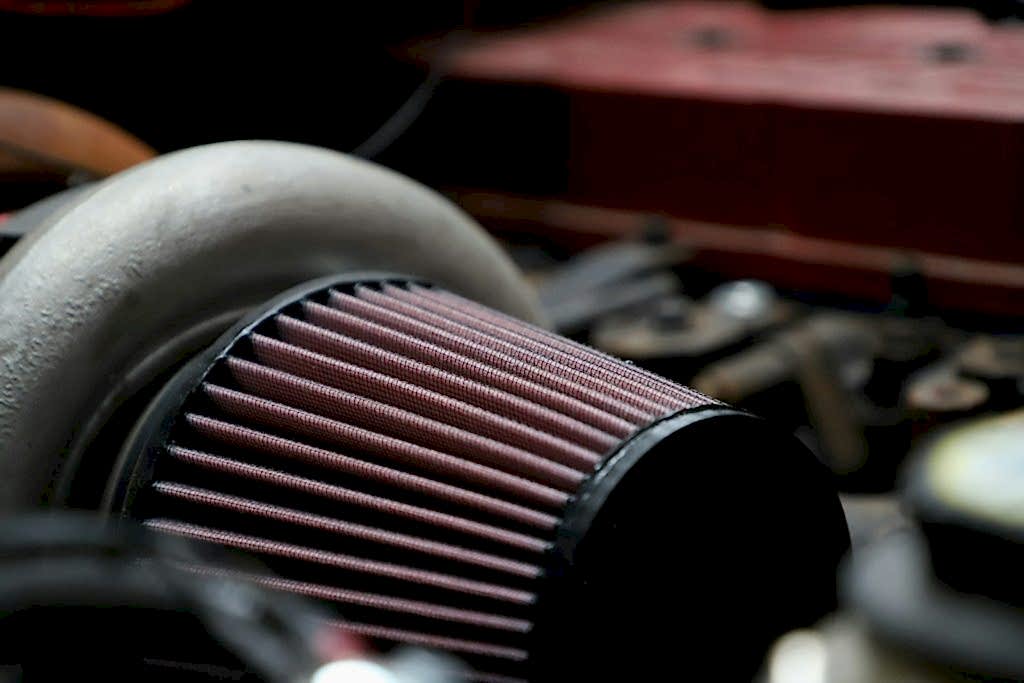
No. While both components are responsible for filtering out airborne debris, they serve completely different purposes. The engine air filter cleans the air entering your engine’s combustion chambers. The cabin air filter cleans the air entering the interior passenger compartment through your heating and cooling vents.
2. Can I just vacuum out my old cabin air filter to reuse it?
It is not recommended. Most modern cabin filters are made from specialized paper or synthetic fibers designed for single use. Vacuuming or using compressed air might remove large pieces of surface debris like leaves, but it cannot clear out the microscopic dust, pollen, and bacteria trapped deep within the fibers.
3. What are the most common signs that I need cabin filter maintenance?
The most frequent warning signs include a noticeable reduction in airflow coming out of your climate control vents and an increased whistling sound from the dashboard when the fan is turned up high. In addition, you will notice a persistent musty or dusty odor inside the car, and windows that take a long time to clear up when using the defroster.
4. Can a dirty cabin filter affect my car’s gas mileage?
No, a dirty cabin filter will not affect your vehicle’s engine fuel efficiency. It operates entirely within the interior climate control system and has no connection to the engine’s air intake or fuel injection systems. However, a clogged filter can cause you to run the AC or heater at maximum power constantly, which places a minor extra load on the electrical system.
5. Are all cabin air filters the same, or should I look for specific features?
Standard particulate filters are excellent for stopping dust and pollen. However, if you suffer from severe allergies or regularly drive through polluted areas, look for a premium filter containing activated carbon or baking soda, which helps absorb chemical exhaust fumes and neutralizes strong interior odors.