
An automobile is a marvel of kinetic engineering, but the engine alone cannot move your vehicle. The engine simply generates raw rotational power. It is the job of the drivetrain to capture that energy and transfer it directly to the wheels resting on the pavement.
The drivetrain is an intricate, heavy-duty network of spinning shafts, interlocking gears, and flexible joints working under immense structural load. When this system operates smoothly, your vehicle delivers effortless acceleration, crisp shifting, and maximum fuel efficiency. However, because these parts experience continuous physical stress, neglecting drivetrain maintenance can lead to severe mechanical failures, loud cabin vibrations, and costly breakdowns. Keeping your vehicle’s power delivery system resilient requires proactive care. This technical guide breaks down the core components of a modern drivetrain, outlines essential preservation habits, and explains how Amayak Auto ensures your vehicle drives with absolute precision.
1. Deconstructing the Vehicle Drivetrain
The drivetrain encompasses every moving component between the engine flywheel and the wheel hubs. Depending on whether your vehicle is front-wheel drive (FWD), rear-wheel drive (RWD), or all-wheel drive (AWD), the exact layout will vary, but the fundamental components remain the same.
The Transmission
Whether automatic, manual, or continuously variable (CVT), the transmission uses a variable network of gears to regulate engine power. It matches the engine’s RPMs to your current road speed, ensuring the vehicle has enough torque to climb steep hills or cruise efficiently on highways.
The Driveshaft
Found primarily in RWD and AWD configurations, the driveshaft is a long, balanced steel or aluminum tube. It extends lengthwise down the underside of the vehicle, carrying rotational power over a distance from the transmission output shaft to the rear differential.
Constant Velocity (CV) Axles
Every front-wheel-drive car utilizes CV axles to send power from the central transaxle out to the front wheels. Because the front wheels must simultaneously steer and bounce over road imperfections, CV axles feature specialized flexible joints that can transfer rotational power smoothly at extreme angles.
2. Essential Drivetrain Maintenance Practices
Because drivetrain components deal with high torque, keeping them properly lubricated and physically protected from environmental debris is your primary line of defense against breakdown.
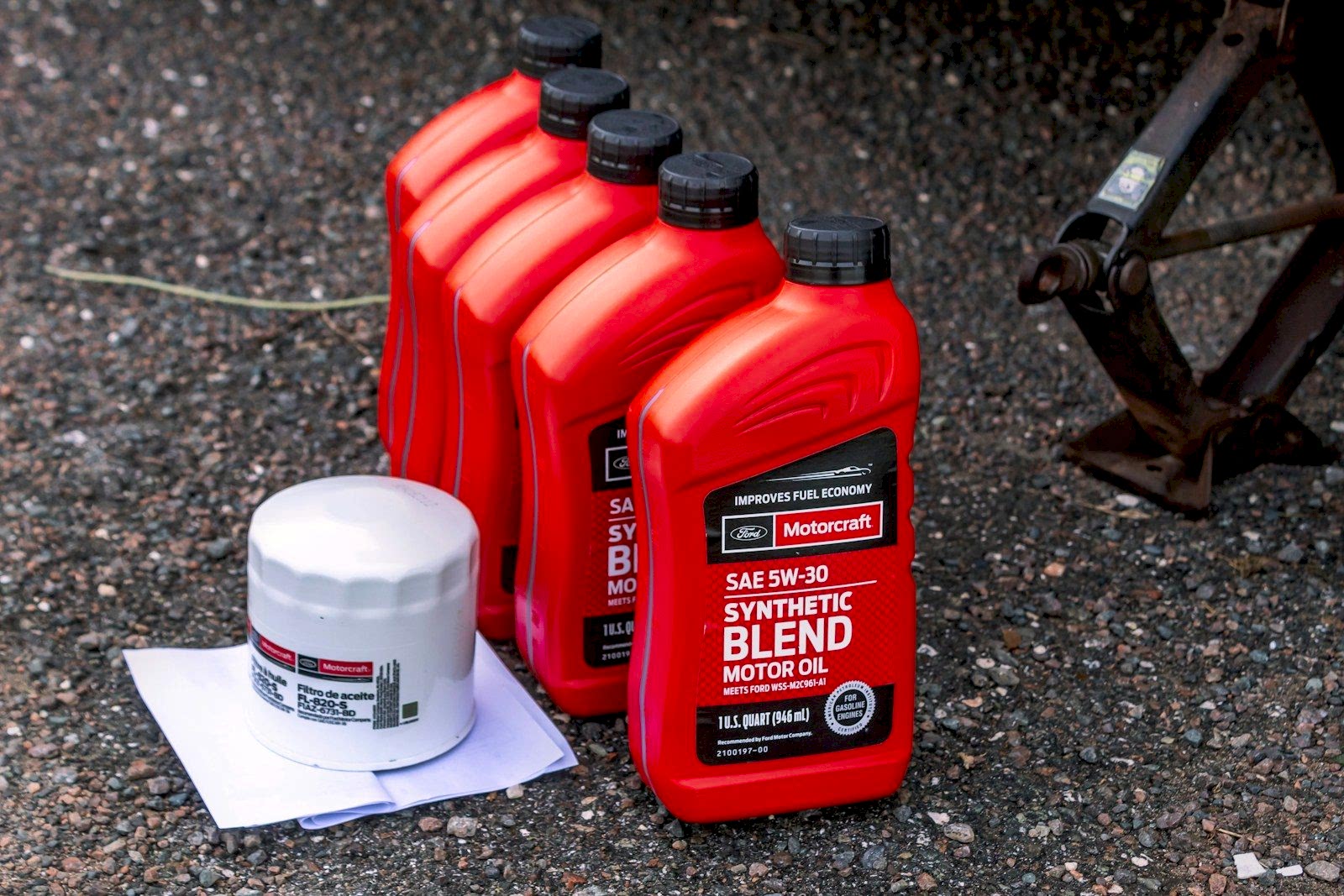
- Execute Regular Fluid Flushes: Drivetrain gearboxes rely heavily on specialized lubricants to reduce friction and dissipate intense heat. Transmission fluid, transfer case fluid, and differential gear oil all experience chemical shear over time, which degrades their load-bearing properties. Operating with old, oxidized fluid causes gears to grind, bearings to overheat, and internal clutches to slip. Adhere strictly to factory fluid exchange schedules, typically every 50,000 to 100,000 kilometers.
- Inspect CV Joint Boots Frequently: Each CV joint is packed with heavy grease and sealed inside an accordion-style rubber protective boot. Because these boots are located right behind the wheels, they are vulnerable to flying road debris, salt, and constant flexing. Over time, the rubber can crack or tear. Once a boot splits, vital grease escapes, and road grit enters the joint. This abrasive grit rapidly grinds down the internal metal bearings, destroying the axle.
- Lubricate Universal Joints (U-Joints): Driveshafts utilize flexible cross-shaped couplings called U-joints to accommodate changes in suspension height. Many heavy-duty and older RWD vehicles feature grease fittings on these joints. Injecting fresh chassis grease into the U-joints during routine oil changes displaces moisture, purges out dirt, and prevents the needle bearings from binding or snapping.
3. Identifying the Warning Signs of Drivetrain Fatigue
Drivetrain components are incredibly tough, meaning they rarely fail suddenly without giving you distinct auditory or physical warning signs first.
Clicking Noises During Tight Turns
If you hear a loud, rhythmic clicking or popping noise coming from your front wheels whenever you execute a sharp turn at low speeds, your outer CV joint has failed. The protective boot has likely been torn for a while, allowing grease to escape and requiring immediate axle replacement.
Severe Clunking and Shuddering
Failing U-joints or loose driveshaft center support bearings create a distinct, low-frequency shuddering or vibration through the vehicle floorboards during acceleration. Additionally, hearing a loud “clunk” when shifting from park into reverse indicates dangerous mechanical play within your drivetrain linkages.
The Amayak Auto Difference
Conveniently located at 1136 Queens Ave in New Westminster, Amayak Auto has provided top-tier automotive diagnostics, drivetrain restorations, and preventative maintenance care since 1999. Backed by a multigenerational family mastery of mechanical engineering dating back to 1915, our certified technicians understand the precise physics required to keep complex power delivery systems perfectly synchronized.
We do not believe in superficial, temporary fixes when your road safety is on the line. When a vehicle enters our shop with a drivetrain symptom, we conduct a meticulous undercar inspection. We check driveshaft balance tolerances, inspect all flexible rubber boots for microscopic tears, measure fluid condition, and evaluate gear play. At Amayak Auto, our commitment to using original equipment manufacturer (OEM) matching components and transparent customer communication guarantees that your vehicle transfers power safely, silently, and efficiently.
Conclusion: Protect Your Vehicle’s Power Path
Your drivetrain works tirelessly beneath your floorboards, enduring intense rotational forces to keep you moving forward. By practicing vigilant fluid management, inspecting protective rubber boots, and addressing minor vibrations early, you can easily prevent catastrophic component failures. If you notice any unusual clunking, clicking, or fluid leaks under your vehicle, bring it to Amayak Auto today for a comprehensive, professional diagnostic evaluation.
Frequently Asked Questions (FAQs)
1. What is the main difference between a powertrain and a drivetrain?
The powertrain includes the engine plus all power-generating components. The drivetrain refers exclusively to the transmission, driveshafts, axles, and differentials that transfer the generated power to the wheels.
2. Can a bad CV joint cause my vehicle to shake at high speeds?
Yes. If a CV joint loses its protective grease and wears down unevenly, it introduces rotational imbalance into the axle, causing noticeable steering wheel vibrations during highway acceleration.
3. How often should transmission fluid be changed for optimal maintenance?
Most manufacturers recommend exchanging transmission fluid every 50,000 to 100,000 kilometers, depending on whether you drive a manual or automatic, and your typical towing habits.
4. How does Amayak Auto diagnose a hidden driveshaft vibration?
Our technicians lift the vehicle, physically inspect the U-joints for mechanical play, check the center support bearing for sagging, and measure the shaft for geometric runout using precision indicators.
5. Is it safe to drive with a torn CV boot?
Only for a short distance. A torn boot lets vital lubricating grease escape while allowing destructive road grit inside, which will rapidly destroy the axle joint within a few weeks.