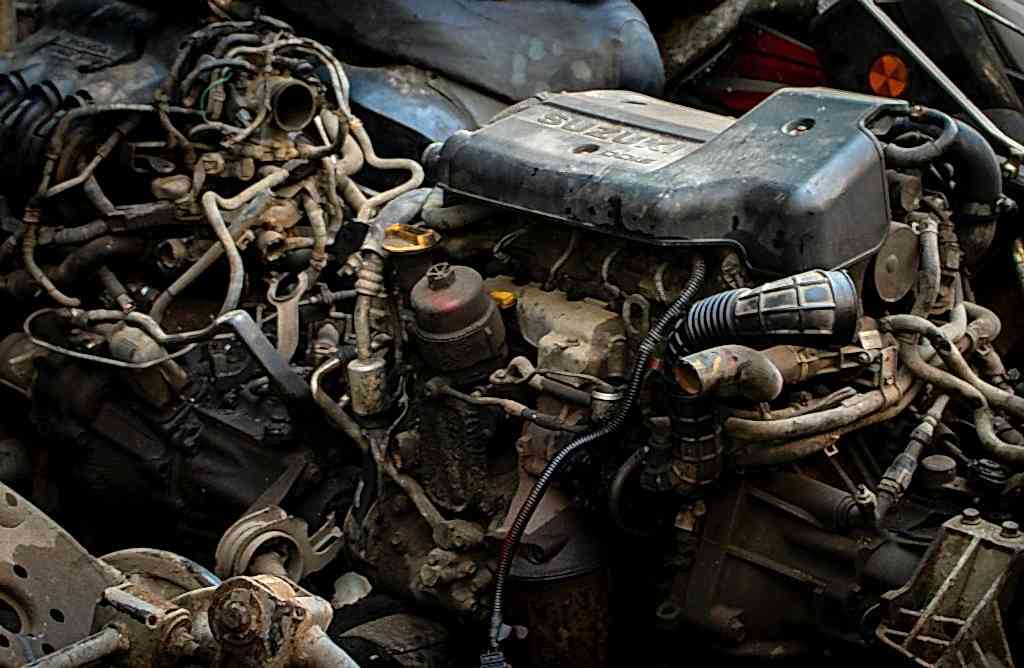
An internal combustion engine relies on a simple yet precise formula to generate power: air, fuel, spark, and compression. While many drivers immediately look at spark plugs or fuel injectors when their vehicle feels sluggish, compression is the physical “muscle” that makes the whole process work.
Engine compression is the pressure generated inside each cylinder when the piston travels upward during the compression stroke, tightly sealing the air-fuel mixture before ignition. When a cylinder cannot hold this pressure, combustion efficiency drops dramatically.
Identifying the mechanical failures that trigger engine compression issues early can protect your vehicle from severe performance drops and save you from the extraordinary costs of a total engine rebuild.
Symptoms of Low Engine Compression
Before diving into the mechanical causes, it is helpful to understand how these issues present themselves during daily driving. When your engine suffers from a loss of pressure, it rarely goes unnoticed. The most common signs include:
- Severe Loss of Power: The vehicle feels incredibly sluggish, especially when climbing hills or attempting to merge onto the highway.
- Rough, Shaky Idling: If only one cylinder has dropped pressure, the engine runs off-balance, causing noticeable cabin vibrations at stoplights.
- Persistent Engine Misfires: The unpressurized air-fuel mixture fails to ignite cleanly, causing the engine to skip beats and trigger a flashing Check Engine Light.
- Hard Starting or No Start: If multiple cylinders have collapsed pressure, the engine will crank endlessly without ever firing up.
The Mechanical Causes of Compression Loss
Compression loss always boils down to a sealing failure inside the combustion chamber. If the chamber is not perfectly airtight, the pressure escapes. Here are the top mechanical culprits behind engine compression issues.
1. Worn or Broken Piston Rings
Piston rings are small, metallic bands wrapped around the exterior of each piston. Their primary job is to create a dynamic, airtight seal against the cylinder wall while preventing engine oil from entering the combustion chamber. Over time, high mileage or poor lubrication causes these rings to wear down or lose their tension. When this occurs, pressurized gases blow past the rings directly into the crankcase, causing a steady drop in power and often producing blue exhaust smoke.
2. Burnt, Bent, or Leaking Valves
Each cylinder head features intake valves and exhaust valves. These valves must seal flat against the cylinder head during the compression stroke.
- Burnt Valves: Extreme combustion temperatures can warp or burn away the edges of the valves, creating physical gaps.
- Bent Valves: If a timing belt stretches or snaps, the synchronization between the pistons and valves is lost, causing the pistons to strike the valves and bend them out of shape.
Once a valve is compromised, pressure rushes right out into the intake or exhaust manifold.
3. A Blown Head Gasket
The head gasket is a highly resilient seal sandwiched tightly between the engine block and the cylinder head. It keeps combustion gases trapped inside the cylinders while keeping engine coolant and oil separated. If the engine overheats, the extreme thermal expansion can cause the head gasket to crack or “blow.” A blown head gasket allows compression to bleed out into adjacent cylinders or escape directly into the cooling passages, causing bubbles in your coolant reservoir and rapid overheating.
4. Damaged or Scored Cylinder Walls
For piston rings to maintain an airtight seal, the cylinder walls must be perfectly smooth and uniform. If an engine is run without adequate oil, or if a broken piece of a spark plug or carbon debris gets trapped, the piston can physically gouge and scratch the metal walls. These deep scratches, known as scoring, give pressurized gases an open pathway to escape past the piston assembly.
Diagnosing and Resolving Compression Failures
To accurately diagnose the root cause of these symptoms, technicians utilize a specialized diagnostic process involving two distinct tests:
- The Dry Compression Test: A pressure gauge is threaded into the spark plug hole, and the engine is cranked. This measures the maximum pounds per square inch (PSI) each cylinder can produce.
- The Wet Compression Test: If a cylinder registers low, a small tablespoon of motor oil is dropped into the cylinder before testing again. If the PSI jumps up significantly, the oil has temporarily sealed the piston rings, pointing directly to ring wear. If the number does not change, the leak path is through a valve or the head gasket.
A healthy engine requires a baseline consistency between cylinders. If one cylinder reads more than 10 to 15% lower than the rest, you are dealing with localized engine compression issues that require immediate teardown or specialized repair.
Proactive Engine Care Prevents Major Failures
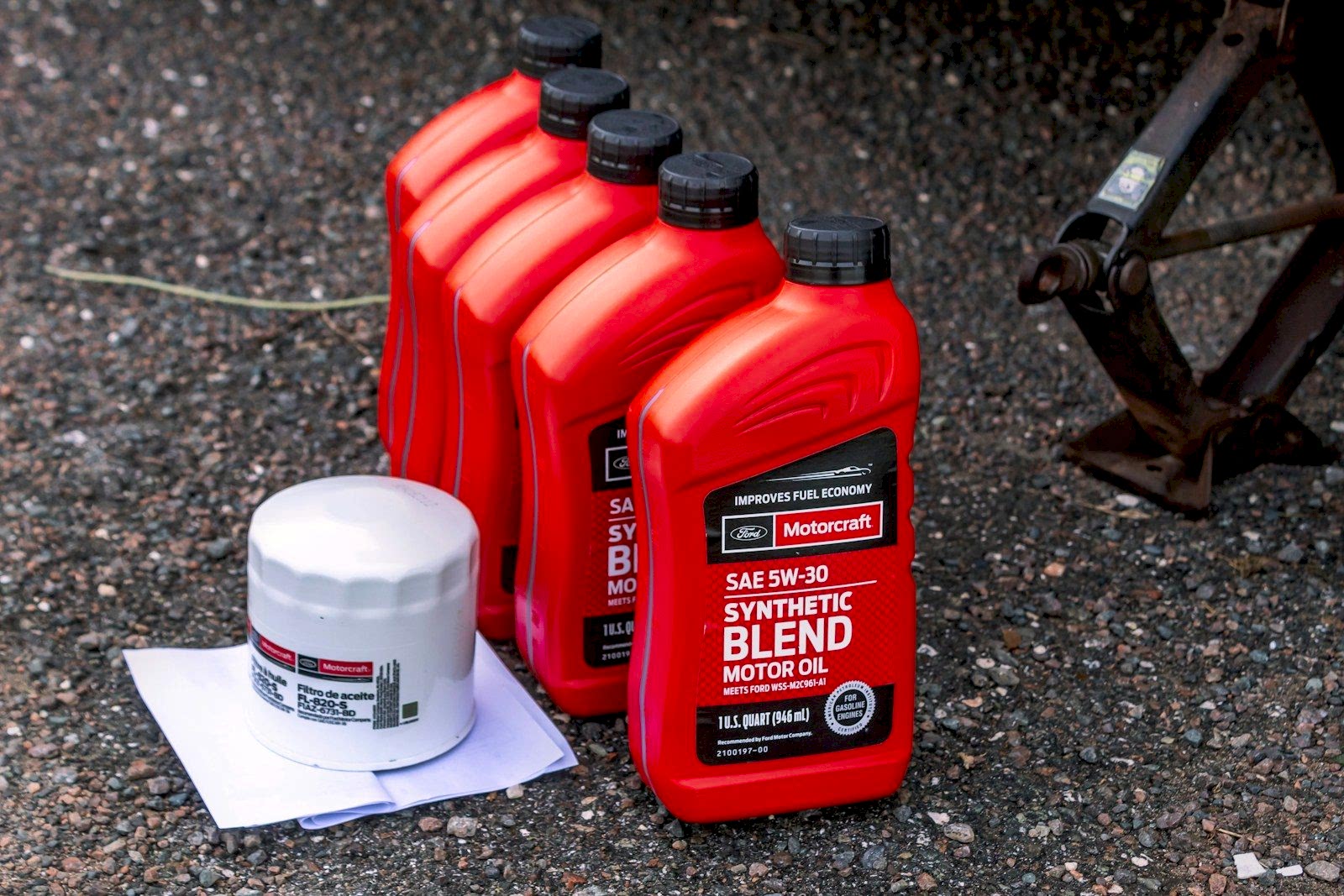
Internal engine wear happens gradually, but it is heavily accelerated by neglect. Failing to change your engine oil on schedule allows sludge to build up, causing piston rings to stick and score the cylinder walls. Similarly, ignoring a minor cooling system leak can cause a major overheating event that warps your cylinder head and blows the head gasket.
You can bring your vehicle to Amayak Auto. Our certified mechanics can perform routine preventative maintenance, trace early warning signs of internal engine wear, and address cooling system issues. Taking care of your engine’s internal seals today keeps your car running strong for years to come.
Frequently Asked Questions (FAQs)
1. Can a car engine run with low compression in one cylinder?
Yes, an engine can technically still start and run if only a single cylinder has lost compression. However, you will experience a violent or rough idle, a drop in fuel economy, and a distinct lack of acceleration when trying to pass or climb hills.
2. What is the difference between a compression test and a leak-down test?
A compression test is a dynamic test that measures the maximum pressure a cylinder can build while the engine is actively cranking over. A leak-down test is a static diagnostic test performed with the engine stationary. Compressed air is injected into the cylinder at Top Dead Center (TDC), and a gauge measures the percentage of air leaking out.
3. Will using thicker engine oil fix my low engine compression issues?
No, thicker motor oil is not a permanent cure. While a higher viscosity oil might improve the seal around worn piston rings and temporarily bump up your compression numbers, it cannot fix broken rings, burnt valves, or a blown head gasket.
4. Can a slipped timing belt cause low compression across all cylinders?
Yes. The timing belt or chain synchronizes the movement of the pistons with the opening and closing of the intake and exhaust valves. If the belt stretches, slips a tooth, or snaps entirely, the valves will not close at the exact moment the piston moves upward on the compression stroke.
5. Is it worth repairing a vehicle that has a cracked piston or scored cylinder wall?
This depends entirely on the age, mileage, and value of the vehicle. Repairing a cracked piston or a gouged cylinder wall requires removing the engine and installing new internal components. Because the labor costs for an engine overhaul are high, it is often more cost-effective on older, high-mileage vehicles to replace the entire engine with a healthy used or remanufactured unit.