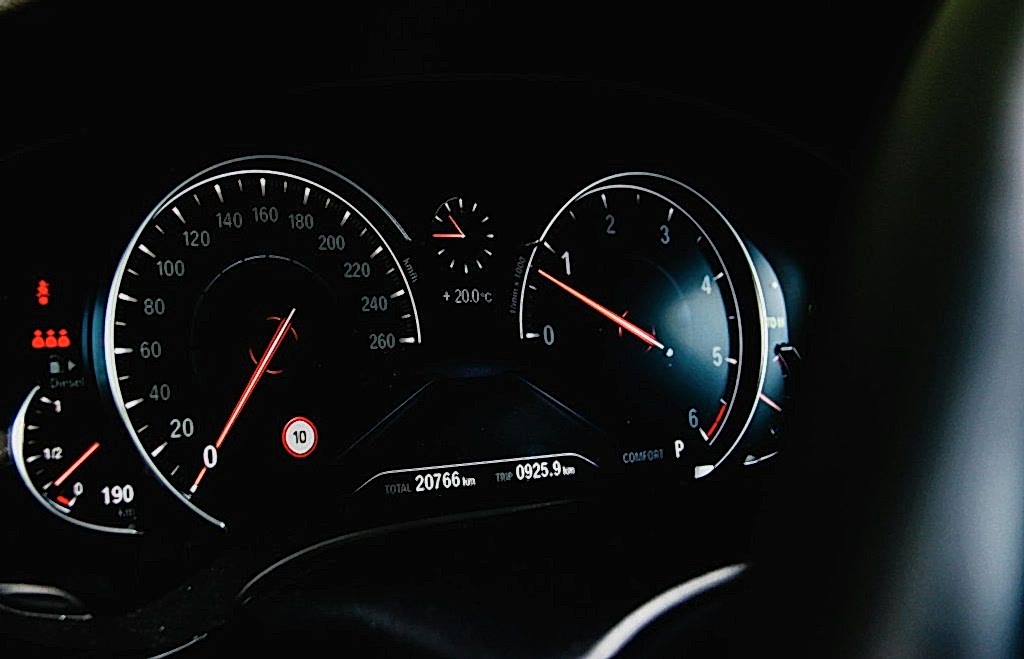
When you are sitting at a red light or cruising down the highway, your vehicle’s tachometer – the gauge that measures your engine’s revolutions per minute (RPM) – should remain steady. When accelerating, that needle should climb fluidly without stuttering.
However, if you notice the needle dancing erratically up and down, or if you feel the engine surging and sputtering while standing still, your car is sending a clear distress signal. A fluctuating RPM indicates that the engine’s onboard computer is fighting an uncoordinated battle to balance air, fuel, and spark.
Identifying the root rpm fluctuation causes early is essential. Catching these fuel-delivery and electronic hiccups quickly prevents severe engine misfires, poor fuel economy, and unexpected roadside breakdowns.
The Technical Malfunctions Behind Your Car’s RPM Fluctuations
When your tachometer needle bounces erratically, your engine is struggling to balance air, fuel, and spark. Understanding the mechanical malfunctions behind these RPM fluctuations is essential to pinpointing hidden component failures before they lead to costly engine damage.
1. Vacuum Leaks and Unmetered Air
An internal combustion engine operates like a giant air pump. For every drop of fuel injected, a precise volume of air must enter the cylinders. Your car’s Mass Airflow (MAF) sensor tracks this incoming air so the Engine Control Unit (ECU) can mix the perfect amount of fuel.
A vacuum leak occurs when unmetered air bypasses the sensor through a cracked rubber hose or a degraded manifold gasket.
The ECU suddenly panics and injects a massive burst of fuel to correct the mix, causing the RPM to surge. Once the RPM climbs, the computer cuts back, causing the needle to plunge. This continuous balancing act stands out as one of the most common physical RPM fluctuation causes.
2. A Malfunctioning Idle Air Control (IAC) Valve
On older or non-electronic throttle body vehicles, the Idle Air Control (IAC) valve acts as the gatekeeper for air management when your foot is completely off the gas pedal. It opens a tiny bypass channel to keep the engine breathing and running smoothly at idle. When searching for the culprits behind erratic idling, sticky or failing control valves rank incredibly high among the top rpm fluctuation causes.
Over time, airborne oil vapors and exhaust particulates create a thick layer of carbon sludge inside the IAC housing. This sticky buildup physically jams the valve, preventing it from adjusting smoothly. The valve will stick open, shoot the idle up, and then snap shut, dropping the engine to the brink of stalling.
3. Throttle Body Carbon Accumulation
Most modern vehicles have replaced traditional mechanical throttle cables with electronic “drive-by-wire” throttle bodies.
Just like the IAC valve, the edge of this metal butterfly plate is prone to heavy carbon fouling.
When carbon rings choke this narrow gap, the computer has to force the plate open wider than normal to keep the engine from choking. The plate over-corrects, breaks past the carbon stickiness, lets in too much air, and snaps back down.
When dealing with sensitive electronic throttle issues or sorting through complex rpm fluctuation causes, visiting a top-tier service facility like Amayak Auto is your best path forward.
4. Faulty Spark Plugs and Ignition Components
An engine cannot maintain a steady rotational speed if its cylinders are not firing uniformly. Your spark plugs, ignition coils, and spark plug wires are responsible for delivering the high-voltage arc needed to ignite the air-fuel mixture.
If a spark plug tip is worn down, fouled with oil, or if an ignition coil begins to break down under thermal load, a cylinder will experience intermittent misfires. When a cylinder fails to fire, the engine’s total power output drops instantly, causing the RPM to dip sharply.
As soon as the remaining cylinders pick up the slack, the RPM jumps back up. This rapid sequence of misfires represents one of the most dangerous RPM fluctuation causes. Unburnt fuel can travel down the exhaust pipe and melt your expensive catalytic converter.
5. Clogged Fuel Injectors or a Weak Fuel Pump
To keep your engine running at a steady RPM, the fuel system must maintain constant hydraulic pressure. If your fuel injectors are clogged with fuel varnish or if your fuel pump is starting to weaken from age, the engine will be starved of fuel. This restricted fuel delivery makes combustion weak and unpredictable, leading to noticeable surges and RPM drops while driving. It is another hard-to-track technical variable to the list of rpm fluctuation causes.
Professional Diagnostics With Amayak Auto
While checking for a loose rubber hose under the hood is an easy step, diagnosing sensitive electronic sensors, identifying hidden vacuum leaks using professional smoke machines, or tracking down intermittent ignition misfires requires advanced technical training.
Ignoring a bouncing tachometer needle will only lead to bigger issues. A small sensor problem left ignored can quickly leave you stranded or cause long-term transmission and torque converter damage.
Entrusting your vehicle to Amayak Auto guarantees a fast solution. Our expert diagnostic team will pinpoint the exact rpm fluctuation causes impacting your vehicle, resetting your engine’s vitals so you can enjoy a perfectly smooth ride.
Frequently Asked Questions (FAQs)
1. Can a bad car battery cause my RPM to fluctuate?
Yes, absolutely. Modern vehicles rely on a stable voltage to power sensors and the electronic throttle body. If your battery is weak or your alternator is failing to maintain steady power, the voltage drops will confuse the engine computer, causing it to randomly surge the engine.
2. Why does my RPM bounce up and down only when the AC is turned on?
When you turn on your air conditioning, it engages a heavy mechanical compressor belt that places a noticeable load on the engine. If your IAC valve or electronic throttle body is dirty, the engine will struggle to balance this sudden load, resulting in a fluctuating idle.
3. Is it safe to drive my vehicle if the RPM is fluctuating erratically?
If the fluctuation is minor, you can generally drive the vehicle safely to a local repair shop. However, if the engine is surging violently or dropping so low that it completely stalls out in traffic, it is highly unsafe to drive and should be towed immediately.
4. Can a dirty air filter be listed among common RPM fluctuation causes?
While a clogged air filter will restrict engine power and reduce fuel economy, it causes the RPM to jump up and down erratically. A dirty filter limits total airflow uniformly, whereas an erratic RPM is caused by unmetered air leaks or fluctuating fuel delivery.
5. How much does it typically cost to fix a fluctuating RPM issue?
The repair cost varies depending on the root cause. If the problem is simply a dirty throttle body that needs a professional cleaning, the fix is very affordable. However, if diagnostics reveal that you need to replace a failing fuel pump or multiple ignition coils, the cost will be higher due to the price of electronic replacement parts.