Few things are as universally frustrating as sitting in a bumper-to-bumper gridlock. Your commute stretches out indefinitely, your stress levels rise, and, to make matters worse, your fuel gauge drops at an alarming rate. It is a well-documented automotive fact that urban stop-and-go driving burns significantly more gasoline or diesel than cruising at a steady pace on an open highway.
The sharp rise in fuel consumption caused by traffic conditions is not just a result of your car moving slowly. Instead, it is the direct byproduct of physics, thermodynamics, and the mechanical design of internal combustion engines. Understanding fuel consumption traffic conditions can help you adapt your driving habits, save money at the pump, and spot when a mechanical issue is making your city fuel economy even worse.
1. The Stop-and-Go Penalty
The single greatest enemy of fuel efficiency in heavy congestion is inertia. According to Newton’s first law of motion, an object at rest stays at rest unless acted upon by an external force. In automotive terms, it takes a massive amount of kinetic energy to move a 3,500-pound piece of metal from a dead stop up to city speeds.
When you are cruising steadily on a highway, your engine only needs to produce enough power to overcome wind resistance and rolling tire friction. However, in gridlock, you are constantly forcing your engine to overcome static inertia. The electronic control unit (ECU) has to inject a rich fuel mixture into the cylinders to get the vehicle rolling. If you immediately step on the brakes twenty feet later, all that newly generated kinetic energy is instantly converted into wasted heat energy by your brake pads. This repetitive cycle rapidly increases your overall fuel consumption traffic and average traffic.
2. Low-Gear Inefficiencies and Kinetic Waste
Internal combustion engines are designed to operate most efficiently within a specific Power-to-RPM sweet spot, usually when the transmission is in a higher gear at lower engine speeds.
In a heavy traffic jam, your vehicle spends almost all its time in first, second, or third gear. Lower gears are engineered to provide maximum torque rather than fuel economy. In these gears, the engine spins at higher revolutions per minute (RPM) relative to the actual distance the car travels over the ground. This imbalance is one of the key reasons fuel consumption traffic is higher than during steady highway driving, as the engine works harder while covering very little distance.
Based on the automotive efficiency data provided, here is a breakdown comparing an open highway environment to stop-and-go traffic:
- Open Highway Driving
- Common Gears Used: 6th – 8th Gear (utilizes higher gear ratios designed to lower engine RPMs over long distances).
- Engine Load Type: Low, Continuous (the engine experiences a steady, predictable demand, only needing to overcome rolling resistance and wind).
- Stop-and-Go Traffic
- Common Gears Used: 1st – 3rd Gear (forces the transmission to stay in lower gears engineered for raw torque rather than speed).
- Engine Load Type: High, Pulsed (the engine is constantly subjected to heavy, erratic loads as it repeatedly breaks static inertia from a dead stop).
3. The Hidden Impact of Poor Vehicle Maintenance
While stop-and-go driving naturally limits your fuel economy, underlying mechanical deficiencies will amplify the financial hit to your wallet. This compounding thermal load plays a major role in creeping up fuel consumption traffic metrics. If your vehicle’s ignition, fuel, or emissions systems are operating at less than peak performance, the engine will struggle significantly harder under the high-stress demands of city driving. You can visit Amayak Auto if you suspect your vehicle is burning through gas faster than it should. We specialize in high-end European and domestic vehicle care.
4. Proactive Maintenance to Protect Your Fuel Wallet
To keep your vehicle operating cleanly in stressful urban driving environments, focus your attention on these three critical maintenance zones:
1. Inspect and Clean the Mass Airflow (MAF) Sensor
The MAF sensor measures the exact weight of air entering the engine. If it becomes coated in fine dust or oil residue, it miscalculates the air volume, forcing the engine computer to inject excess fuel during low-speed acceleration.
2. Replace Fouled Spark Plugs and Oxygen Sensors
Worn spark plugs create subtle, incomplete micro-combustion cycles, while an aging oxygen sensor fails to accurately read exhaust gases. Replacing these parts ensures your engine burns every single drop of fuel completely.
3. Maintain Proper Tire Inflation Pressures
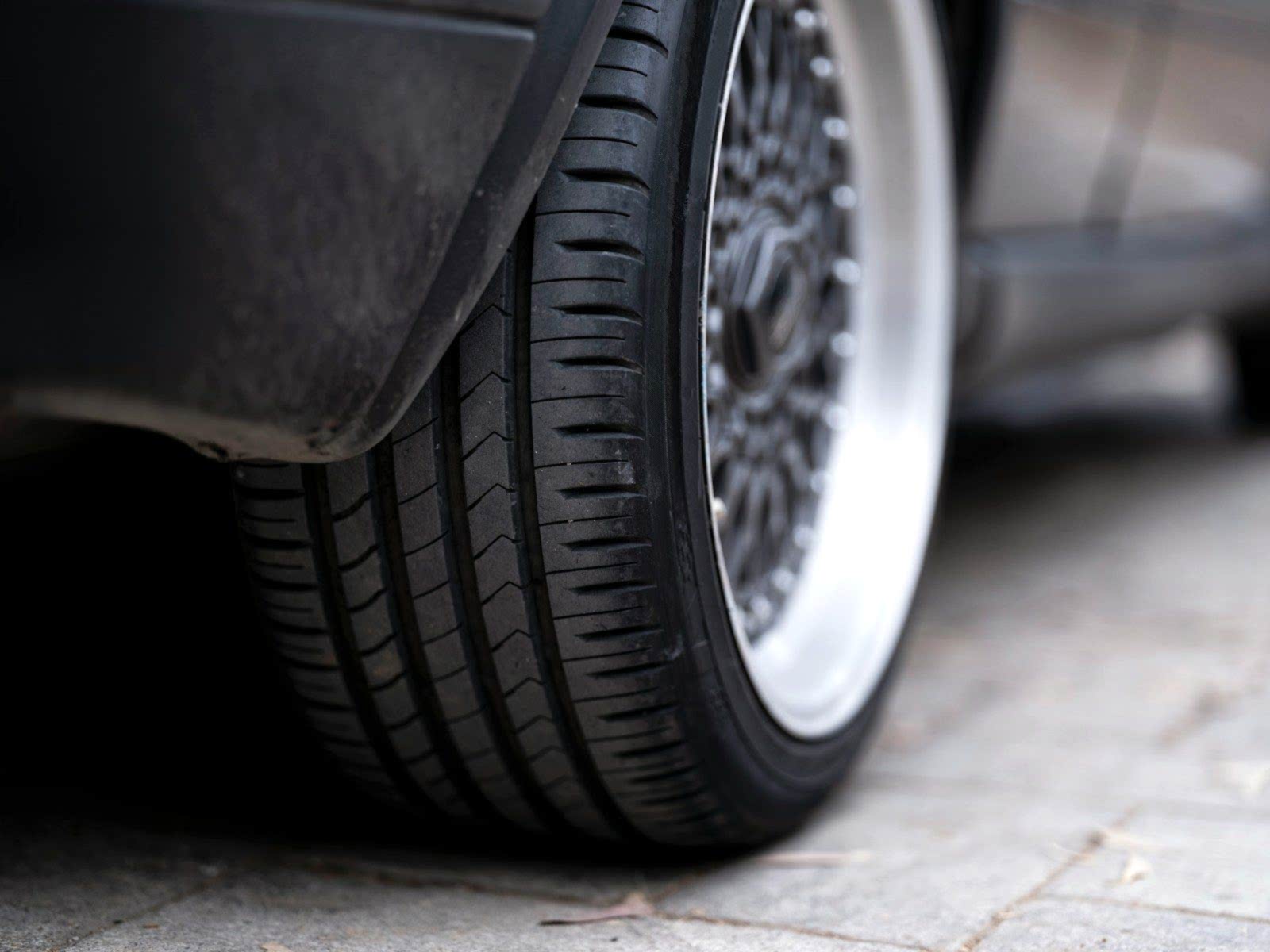
Under-inflated tires significantly increase your vehicle’s rolling resistance. When tires are soft, the engine has to work much harder to overcome static inertia from a dead stop, drastically increasing your city fuel consumption.
5. Professional Assistance With Amayak Auto
If a clean air filter and properly pumped tires fail to curb your car’s heavy thirst, it is time to seek professional diagnostic help. Scheduling an inspection at Amayak Auto provides access to factory-grade diagnostic scanners that look deep into your engine’s live data streams.
Our certified technicians can check for sticky brake calipers causing mechanical drag, evaluate your transmission’s shift points, and clean out heavy carbon deposits from your intake valves. This can make a noticeable difference in reducing the impact of fuel consumption traffic, where inefficiencies tend to become much more pronounced.
Frequently Asked Questions (FAQs)
1. Does turning my vehicle’s Air Conditioning (A/C) off in traffic save fuel?
Yes, turning off the A/C in heavy traffic saves a noticeable amount of fuel. The A/C compressor places a heavy, direct mechanical load on the engine. At highway speeds, this load is negligible, but when idling or crawling in traffic, it forces the engine to burn more fuel to maintain a steady idle speed.
2. Is it true that automatic engine Start-Stop systems actually save gas?
Absolutely. If your vehicle is sitting completely stationary for more than 10 seconds, turning the engine off saves more fuel than leaving it running. Modern automatic Start-Stop systems are engineered with reinforced starter motors and heavy-duty batteries to safely eliminate fuel waste during prolonged traffic delays.
3. Why does my car’s dashboard fuel economy gauge drop so fast in gridlock?
Your car’s trip computer calculates fuel economy by dividing the distance traveled by the amount of fuel consumed. When you are stuck in gridlock, your fuel consumption continues steadily while your accumulated distance slows to a crawl. This mathematically causes your miles-per-gallon (or liters-per-100km) average to plummet.
4. Can driving in “Eco Mode” help reduce fuel consumption and traffic penalties?
Yes. Eco Mode remaps your vehicle’s throttle sensitivity and transmission shift points. It softens sudden acceleration inputs and forces the transmission to shift into higher gears as early as safely possible, preventing the high-RPM spikes that waste fuel when moving between stops.
5. Can a bad thermostat cause poor city fuel economy?
Yes. If your engine thermostat gets stuck in the “open” position, the engine will struggle to reach its optimal operating temperature, especially during short city trips. A cold engine causes the ECU to continuously inject a rich fuel mixture to warm itself up, hurting your stop-and-go fuel economy.