Few automotive scenarios are as terrifying and dangerous as a sudden loss of engine power while you are actively driving. One moment you are cruising with the flow of highway traffic or preparing to turn at a busy intersection, and the next, your accelerator goes dead, your power steering stiffens, and your dashboard lights illuminate simultaneously.
An engine stall occurs when internal combustion unexpectedly stops completely. When this happens on a live roadway, it is a critical safety emergency that leaves you vulnerable to rear-end collisions and drastically reduces your control over the vehicle. Resolving persistent stalling symptoms requires looking closely into the fundamental inputs your engine needs to stay running: air, fuel, spark, and electrical synchronization. This guide breaks down the primary mechanical and electrical engine stalling causes, offers practical troubleshooting advice, and explains how the expert diagnostic team at Amayak Auto can restore your vehicle’s reliability.
1. Fuel Delivery Stoppages
An internal combustion engine requires a constant, pressurized stream of clean fuel to maintain its idle speed. If this supply drops for even a fraction of a second, the engine will instantly starve and die.
The Failing Fuel Pump
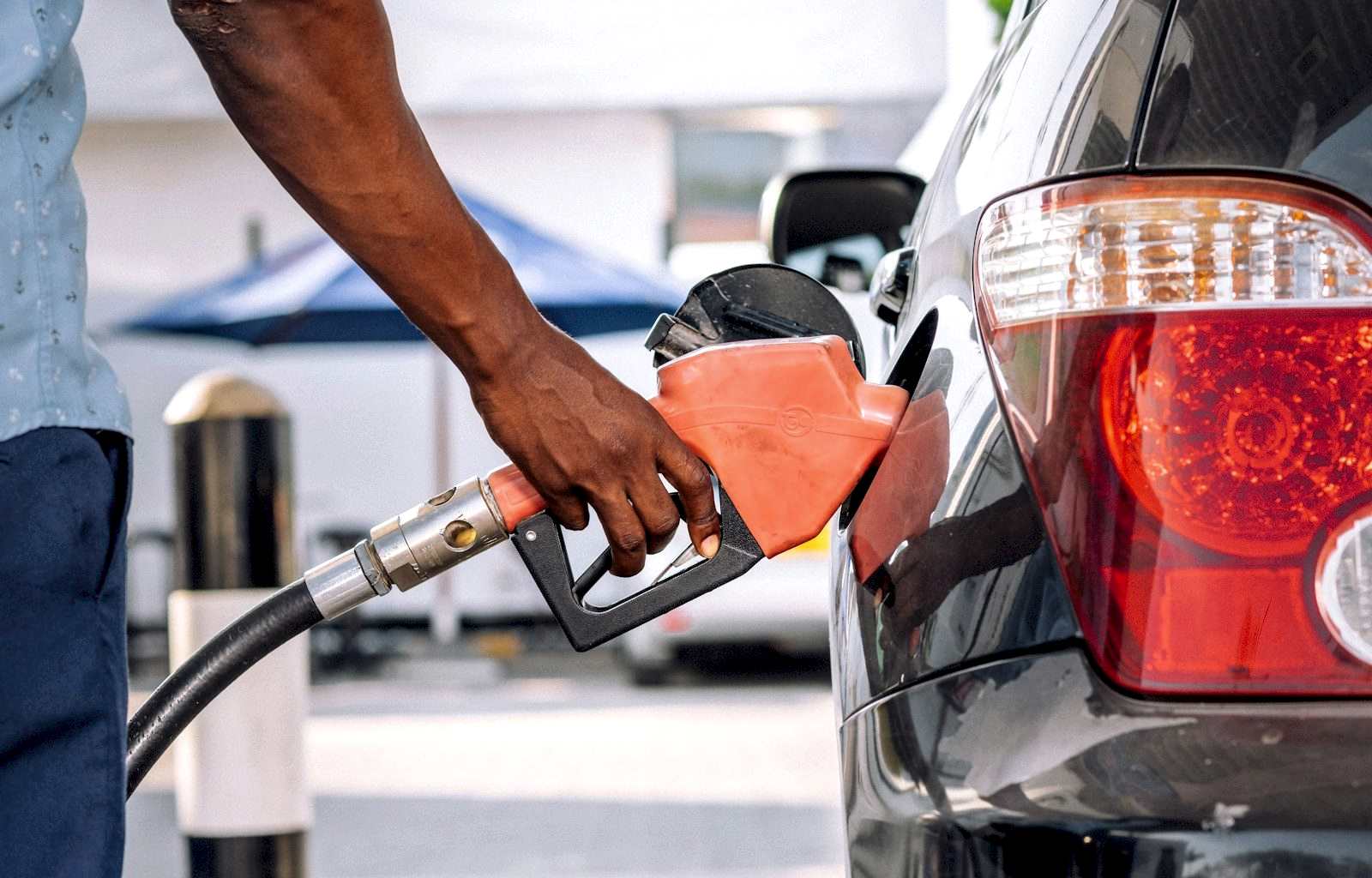
The electric fuel pump is the heart of your fuel system, pushing gasoline from the tank up to the engine injectors. As a pump ages, its internal electric motor can overheat and temporarily seize, especially during long drives on warm days. When the pump stops spinning, fuel pressure drops to zero, causing the engine to stall unexpectedly.
Heavily Clogged Fuel Filters
The fuel filter traps dirt, rust scale, and tank debris before it can reach your engine. If you neglect routine maintenance intervals, the filter media can become so heavily restricted that it chokes off the fuel volume. While the car might idle fine, demanding acceleration can starve the engine completely, causing it to sputter and stall under load.
2. Airflow Restrictions and Vacuum Leaks
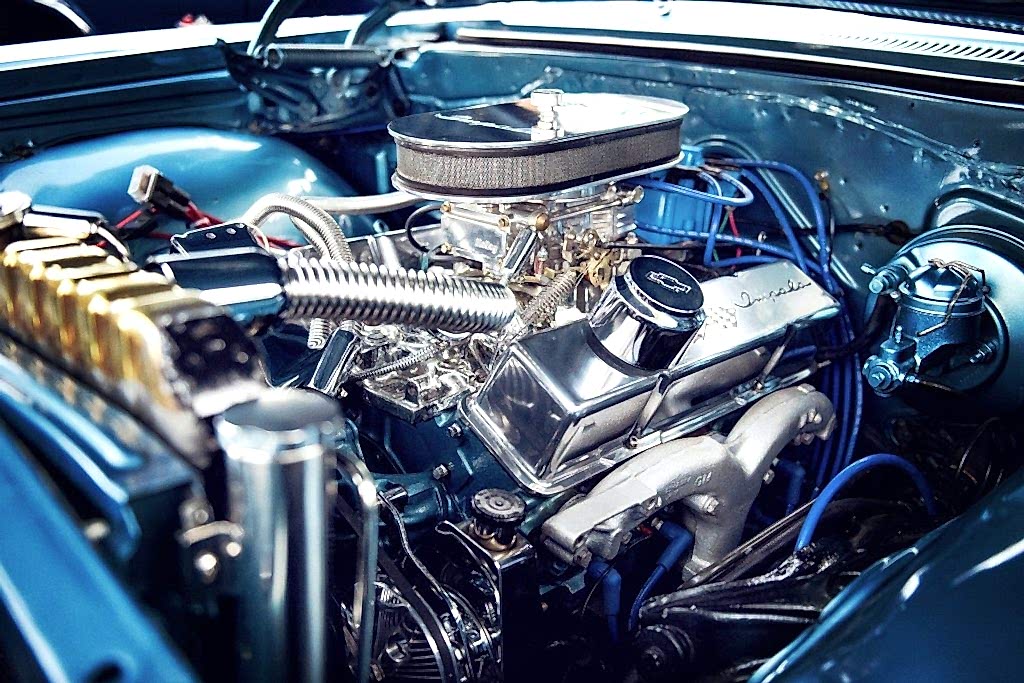
Your engine acts like a massive air pump. To idle smoothly, it relies on a highly precise amount of unrestrictive airflow calculated by the vehicle’s onboard computer.
- A Sticking Idle Air Control (IAC) Valve: In older or traditional throttle setups, the IAC valve regulates how much air enters the engine when your foot is completely off the gas pedal. If heavy carbon soot and varnish accumulate inside the valve housing, it can completely shut. When you drop your speed to stop at a red light, the valve fails to open, suffocating the engine and causing an immediate stall.
- Massive Engine Vacuum Leaks: The engine draws air through a sealed intake tract. If a large vacuum hose splits or if your intake manifold gasket cracks, an immense volume of unmetered air enters the cylinders. This completely upsets the calculated air-fuel ratio, leaning out the mixture to the point where the engine can no longer sustain combustion.
3. Electrical Failures and Defective Sensors
Modern vehicles are rolling computers. Your engine relies on continuous data from specialized electronic sensors to calculate exact ignition and fuel timing. A split-second data blackout will cause an instant stall.
Failing Crankshaft or Camshaft Sensors
The crankshaft position sensor monitors the exact rotational speed and position of the engine’s pistons. The computer uses this data to command the spark plugs to fire. If this sensor suffers an internal thermal short circuit, it will abruptly stop sending information to the computer. Without this positioning data, the computer has no idea when to fire the ignition, causing the engine to shut down instantly as if you turned off the ignition key.
Alternator and Battery Ground Failures
While the battery starts the car, the alternator generates the electricity needed to run the ignition coils, fuel injectors, and computer modules while driving. If the alternator fails, or if a main chassis ground wire is loose and corroded, the vehicle’s operating voltage will drop. Once the voltage falls below a critical threshold, the engine control module will lose power, instantly stalling the vehicle.
The Amayak Auto Difference
Conveniently located at 1136 Queens Ave in New Westminster, Amayak Auto has provided industry-leading automotive diagnostics, electrical troubleshooting, and mechanical repairs since 1999. Backed by a multigenerational family mastery of mechanical engineering dating back to 1915, our certified technicians understand that an unexpected engine stall is a highly complex symptom that requires an expert, systematic approach.
We do not believe in superficial, temporary fixes or changing random parts based on guesswork. When a stalling vehicle enters our facility, we connect advanced diagnostic scan tools to pull historical trouble codes, check freeze-frame data, monitor real-time fuel pressure, and evaluate sensor waveforms. At Amayak Auto, our commitment to absolute technical precision and transparent customer communication guarantees that your vehicle’s engine is restored to peak structural health, ensuring your absolute safety on the road.
Conclusion: Prioritize Safety and Diagnose Immediately
An unexpected engine stall is a severe warning sign that should never be ignored or normalized.
- Stay Calm During a Stall: If your engine shuts off while driving, do not panic. Firmly guide the vehicle to the shoulder, keeping in mind that steering and braking will require significantly more physical effort because power assist is lost.
- Note the Specific Symptoms: Pay close attention to exactly when the stall occurs—whether it happens only when the engine is hot, during heavy rain, or when stopping at red lights. This data is invaluable to your technician.
- Trust the Professionals: Protect your safety and your vehicle’s longevity by bringing your car to Amayak Auto for a comprehensive, professional engine diagnostic evaluation.
Frequently Asked Questions (FAQs)
1. Can a bad tank of gas cause my engine to stall unexpectedly? Yes. Fuel heavily contaminated with water or debris disrupts the combustion process completely. The engine will sputter, lose power, and stall shortly after refueling with poor-quality fuel.
2. Will a faulty torque converter cause a car to stall when stopping? Yes. If the automatic transmission’s torque converter clutch fails to disengage as you slow down, it locks the transmission to the engine, dragging down engine RPMs and causing a stall.
3. How does Amayak Auto pinpoint the exact cause of intermittent engine stalling? Our technicians use digital oscilloscopes and diagnostic scanners to read hidden fault codes, test fuel pressure stability, and check for real-time sensor drops when the engine stalls.
4. Can a completely dead car battery cause an engine to stall while driving? Generally, no, because the alternator powers the vehicle once running. However, if the alternator is also failing or a main ground cable is loose, an immediate stall will occur.
5. Is it safe to restart and drive a car that just stalled? No, it is highly unsafe. An intermittent stall can happen again without warning at high highway speeds, leaving you without power steering or brakes in a dangerous traffic situation.